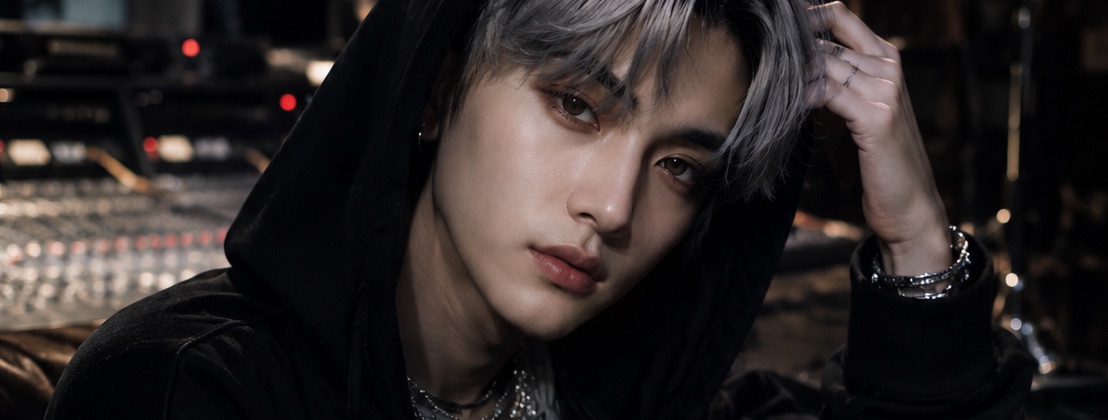
Encrypted at rest
Photos and rights data are encrypted on disk and in transit. They are used only for rights registration and license approvals.

Face, voice, image, persona. Register your identity rights for the AI era, permit the uses you want, and act on the ones you did not.
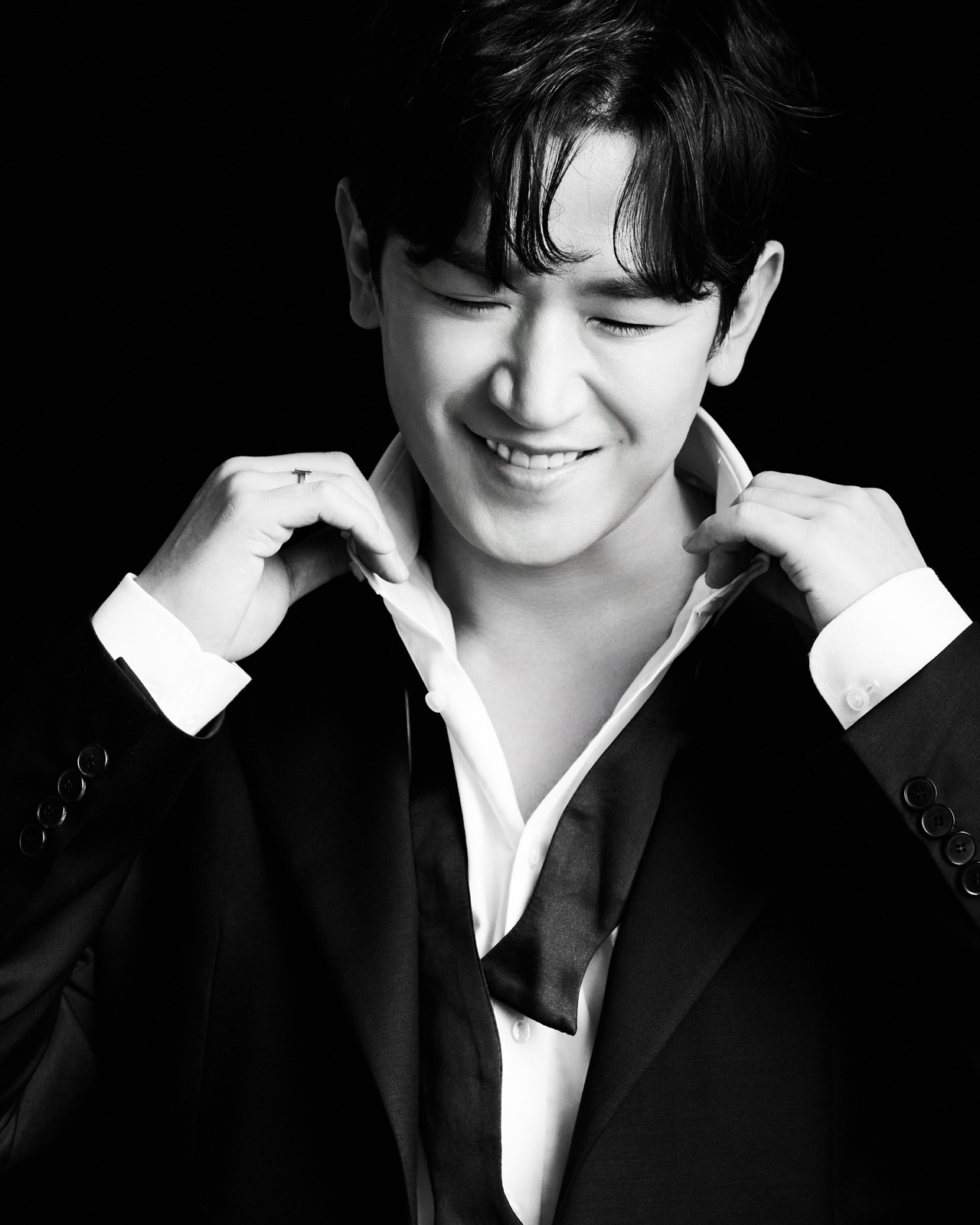
A representative case. Rightis manages and tracks the rights by purpose of use.
A live call to the public lookup API. Originals are never shown.
What brings you here?
Regulation is taking shape
Since May 2026 US platforms must remove non-consensual intimate imagery within 48 hours of a valid request, and the FTC has begun enforcing it. AI-generated and AI-altered images are covered. In January 2026 Korea's AI Framework Act took effect, requiring generative AI output to be labelled.
Regulation moves first toward punishing unauthorised use. That leaves one question open. Whose right is this, and which use was permitted? Something has to hold that record.
Covered platforms must provide a removal request process for non-consensual intimate imagery and take the image, plus known identical copies, down within 48 hours of a valid request. AI-generated and AI-altered images are covered. The FTC has begun enforcement.
The first US state law to protect voice as a property right, aimed squarely at AI tools that clone a person's voice without consent. Signed 21 March 2024; 2024 Tenn. Pub. Acts ch. 588.
Providers of generative AI must label output as AI-generated. Deepfake output requires a label a viewer can actually see. Fines are held back during an initial grace period.
Using a well-known person's name, likeness or voice for your own business, against fair commercial practice and to their economic detriment, is an act of unfair competition. This is the practical basis for commercial likeness and voice claims in Korea.
Rightis registers faces, voices, images and personas, and records the permitted uses and contracts.
It has already started
What the AI voice company ElevenLabs reports paying people who lent their voice to its marketplace. Famous and historical voices can be listed only by the person or their estate, with term, territory and channel set by contract.
The AI music service Suno leaves generation open to your credits but caps how much you can export. The structure came out of licence agreements with the record industry, not out of server cost.
Two companies arrived at the same place: making a voice is open, while whose voice it is and what was permitted has to become a record. A registry is where that record lives.
Misuse check
Compare your original photo with a suspicious one to check whether it is the same person. Free, no sign-up.
Compare your original photo with a suspicious one to check whether it is the same person. Large photos are compressed automatically
How it works
One flow from rights registration to brand matching, licensing, and settlement.
After identity verification, register your face, voice, image, style, and persona rights. All data is encrypted at rest.
Brands, studios, and AI companies find the rights they need and connect with verified holders.
Define usage scope, term, media, territory, and price as a contract — and record every use and payout.
Before an AI tool makes someone's face or voice, it asks our public server first. Below is the real request and the real answer, exchanged just now.
/api/public-mcp/mcpCan I train on this person's photos
The line above is composed from that response. It is not a rehearsed sentence.
Nineteen channels across portals, communities, government bodies and global platforms, with what each one demands. Every address was opened and checked.
Where a channel accepts a representative, Rightis prepares the report and the evidence and files it for you.
The first integration
BSIDE lets fans talk to a celebrity's official AI character, and we are building it ourselves. What the celebrity and their agency permit is registered on Rightis, and the integration is in place to check before generating and to log the use. The lookup on the screen above is a real server response, not a mock-up.
Built on Backers100 data
Rightis draws on the public profiles and activity data that Backers100 (backers100.com) analyses daily across 1,842 K-pop artists, actors and broadcasters. An agency finds an artist by name and invites them, and once the artist or the agency takes it over it becomes their rights profile as it stands.
K-pop artists, actors and TV personalities analysed daily by Backers100
Media, positive impact, momentum, search interest, fan signals, brand influence
Influence scores computed from public coverage, search trends and fan signals
Data protection
Photos and rights data are encrypted on disk and in transit. They are used only for rights registration and license approvals.
We never sell or share registered data with AI training pipelines without your explicit consent.
Rights holders can request full deletion of their data at any time from the console.
Questions
One clear front-facing photo is enough to start. You can add profile angles and different expressions later to sharpen matching accuracy.
Only inside rights registration and the approval flow. Brands see them when they file a license request. Nothing leaves those surfaces.
No. We do not sell or share registered data with external AI models without your explicit consent.
Registration is a way of recording your rights and how you intend them to be used. When you later respond to misuse, it gives you a record of when you registered and what conditions you had set at the time. How far legal protection extends, and what weight the record carries as evidence, depends on the law of each country and on the individual case.
Yes. Submit a deletion request from your rights holder console. Anything caught up in an active licensing transaction settles first; everything else is removed permanently.
A brand sends a license request that names scope, duration, media, territory, and price. Nothing moves until you approve it.
Yes. If you pre-allow certain scopes in your rights use settings, requests inside them are approved automatically. You can also decline or ask to negotiate.
Registration is free for rights holders. The platform charges a fee only when a licensing transaction goes through, applied to the brand's payment.
Partners
Rightis is an NVIDIA Inception partner. ChatGPT, Claude and Gemini connect through the MCP connector and OpenAPI, so an agent checks rights before generating and logs the use. BSIDE is the first service we are building to run a celebrity's likeness, voice and persona on Rightis.